
 Home
Home Gardening
Health, Life-Style
Steel or glass containers—which is safer for storing food
Nov
Stainless steel utensils are an integral part of our kitchen. People have been using steel long before the term ‘BPA-free’ came into the market. There are three main reasons behind its popularity – durable, chemically neutral and easy to carry.
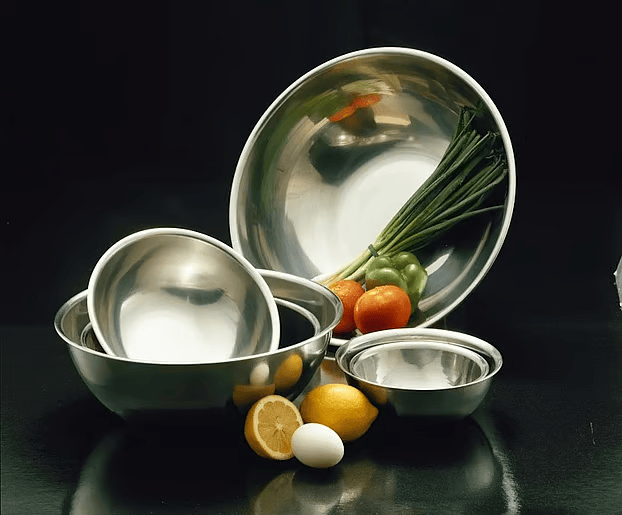
Steel Containers: Durable, Portable and Reliable:
Stainless steel utensils are an integral part of our kitchen. People have been using steel long before the term ‘BPA-free’ came into the market. There are three main reasons behind its popularity – durable, chemically neutral and easy to carry.
Why steel is considered safe:
Good quality food-grade stainless steel (such as 304 or 18/8 grade) usually does not get involved in any chemical reaction with food. This means that if you store pulses, rice, curries or leftovers in it, the risk of harmful substances getting mixed into the food is very low.
Unlike plastic, it does not contain harmful chemicals like BPA or phthalates. If cleaned properly, bacteria do not grow easily on steel, and oil does not retain its greasy feel, stains or odor.
Why steel is so convenient in everyday use:
The biggest strength of steel is its strength. Even if it is dropped, it does not break easily, and it does not crack when carried in a bag. Therefore, it is ideal for office lunchboxes, school tiffins, travel food or picnics.
It is also easy to carry as it is lighter than glass. Modern steel containers usually have good quality leak-proof lids, which do not allow food to spill even when shaken. For those who regularly take food out or cook a lot at once, steel is a practical and hassle-free solution.
Some limitations:
The main disadvantage of steel is that you cannot see what is inside. With so many containers in the fridge, you have to open the lids to find the desired food, which can be quite annoying. And steel cannot be microwaved, so the food has to be taken out of another container before heating.
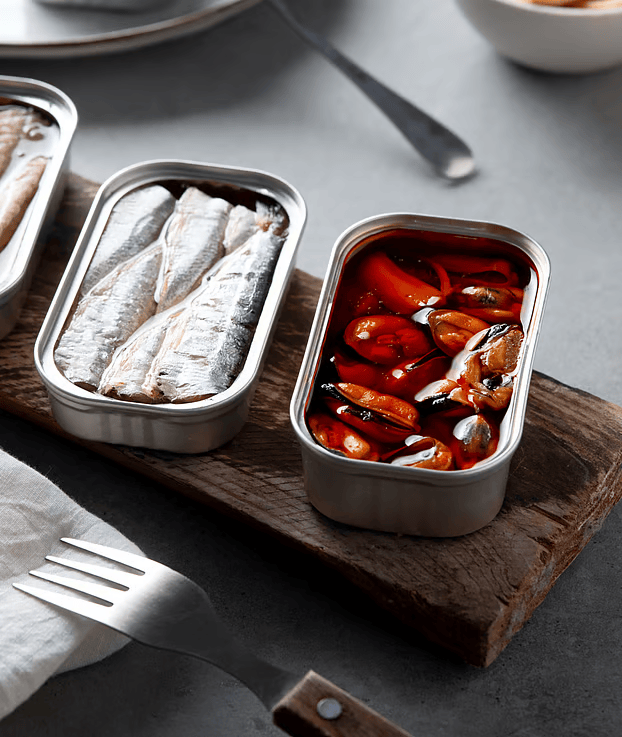
Another thing is that very sour or acidic foods (such as tomato soup, vinegared salads or pickles) can slightly change the taste in low-quality steel if they are kept for a long time. The risk is less with good quality steel, but many people feel comfortable storing these foods in glass containers.
Glass containers: Clean, transparent and chemically inert:
Glass containers have become popular again in recent years due to the trend of reducing plastic. The food inside can be seen at a glance, which is its big advantage. In addition, glass is also considered the most ‘neutral’ material.
Why is glass safe:
Food-grade glass is completely chemically inert. Be it sour, sour, salty or spicy—any food will not react with glass. It will not absorb odors, stains or colors.
Most importantly, there is no risk of any chemicals leaking into the food. Many modern glass containers can be put directly from the refrigerator to the microwave or oven (with the lid removed), which makes heating easier.
Where is glass best:
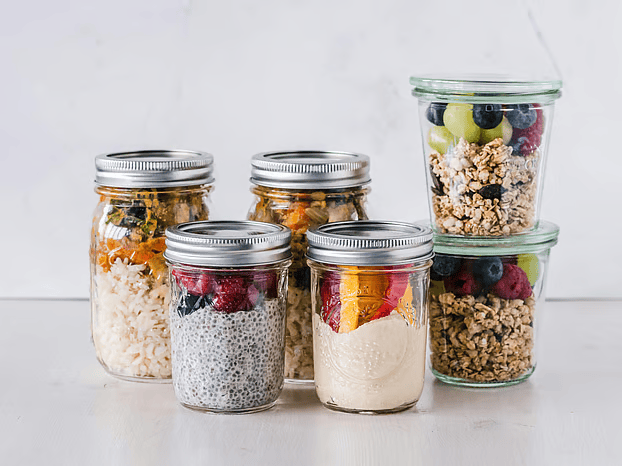
Glass is great for storing food in the refrigerator, meal prep, cutting fruit, curries or cooked foods that will last for a few days. Being transparent, it is easy to see what condition a food is in. As a result, it is possible to use the food before it spoils.
Disadvantages to keep in mind:
The biggest weakness of glass is its fragility. There is a risk of breakage if it slips. Even if it is tempered or borosilicate glass, the risk does not go away completely. And because it is heavy, it is quite troublesome to carry it to the office or school every day.
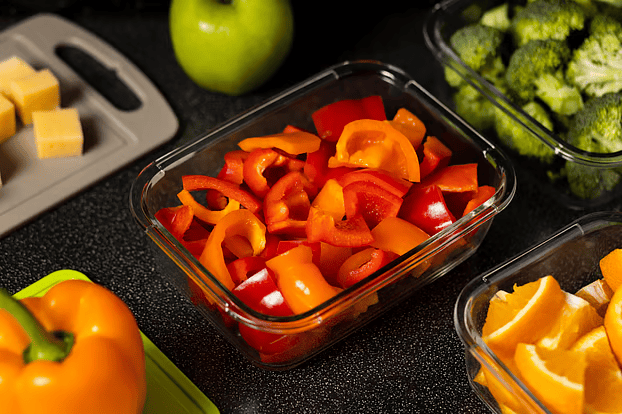
The lid is also important, in most cases the lid is made of plastic or silicone, which can stain or smell over time.
So steel or glass?
Chemical safety: Glass is slightly ahead here. Because it is completely inert, especially if sour food is kept for a long time.
Physical safety: Steel is ahead. It does not break, sharp pieces are not formed. This is a big advantage if you have children.
Cleanliness and hygiene: Both are almost equal. Both are easy to wash, there is less risk of germs accumulating.
Practical advantages
It depends on daily needs and usage. Steel is more convenient for office, school, travel. Glass is ahead for home storage, meal prep and heating.
So which is safer?
If you think about it purely from a chemical perspective, glass is a bit ahead, especially when it comes to sour soups or foods that will last for days. But in real life, when you drop a pot, carry it in a bag, and heat it up quickly—good quality stainless steel is pretty reliable.
So many people use a combination of the two—glass for storing and heating at home, and steel for taking it out and carrying it around every day. Ultimately, the healthiest choice is the one that fits into your daily routine, is easy to clean, and is made of good quality food-grade materials.
